Salmon vs Tuna: Which Is Less Inflammatory?

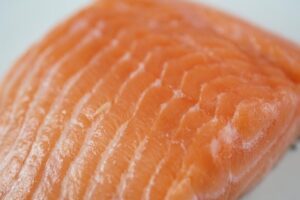
Salmon

Salmon

LOW
Inflammation Score 1/10
Slight edge
VS
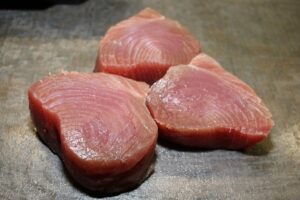
Tuna

Tuna

LOW
Inflammation Score 2/10

Salmon is less inflammatory than tuna, and both sit at the good end of the scale. These are the two fish most people actually buy, and either one makes a better dinner than the meat it replaces.

Salmon carries more omega-3, the fats that bring the signs of inflammation down in a blood test, and it arrives with vitamin D and astaxanthin, the antioxidant behind its pink colour. Tuna’s weak point is mercury, which builds up in the fish and stays there, and white albacore holds about three times more of it than canned light. Aim for oily fish twice a week, and when tuna is the cheaper option in your shop, reach for the light tins rather than the albacore.

Side by side

SalmonTuna
Inflammation ScoreLow · 1/10Low · 2/10
CategoryFish & SeafoodFish & Seafood
Serving size3 oz (85 g) cooked3 oz (85 g) cooked or drained
Key nutrientsOmega-3, Protein, Vitamin D, SeleniumEPA & DHA omega-3, Selenium, Vitamin B12, Protein
How often2-3 servings a weekTwo or three servings a week, in water or fresh

On the AIP diet

Allowed

Salmon

Wild-caught salmon is a cornerstone protein of the Autoimmune Protocol. It stays on the plate during the elimination phase and through every reintroduction stage, which makes it one of the safest proteins to build meals around.

Allowed

Tuna

Tuna is allowed on the Autoimmune Protocol from day one, elimination phase included, so there is nothing to reintroduce later. Read the tin, though. Water or olive oil is fine, sunflower and soybean oil are out during elimination, and added vegetable broth usually means soy. Fresh tuna needs no label at all.

What each one brings

Salmon

  • EPA & DHA lower inflammatory markers
  • Complete, highly digestible protein
  • Astaxanthin, a rare antioxidant
  • Supports heart and brain health

Tuna

  • Omega-3 fats that lower the signs of inflammation in a blood test
  • One of the richest everyday sources of selenium
  • A lot of protein for very few calories
  • Cheap, keeps for years and needs no cooking

Watch out for

Salmon

  • Farmed salmon: fewer omega-3s, more contaminants
  • Smoked versions add nitrates and sodium
  • Frying destroys part of the omega-3 content

Tuna

  • Mercury builds up in tuna and stays there
  • Albacore, or white tuna, carries about three times more than canned light
  • Packed in oil, it trades away part of its own omega-3
  • Mayonnaise adds more fat to a tuna salad than the fish brings

Get the inflammation score of any meal

Just snap a photo or describe your food to get its inflammation score and uncover hidden patterns that may be affecting your well-being.


Download on the App StoreGet it on Google Play
InflammaScan app

Learn more about each food