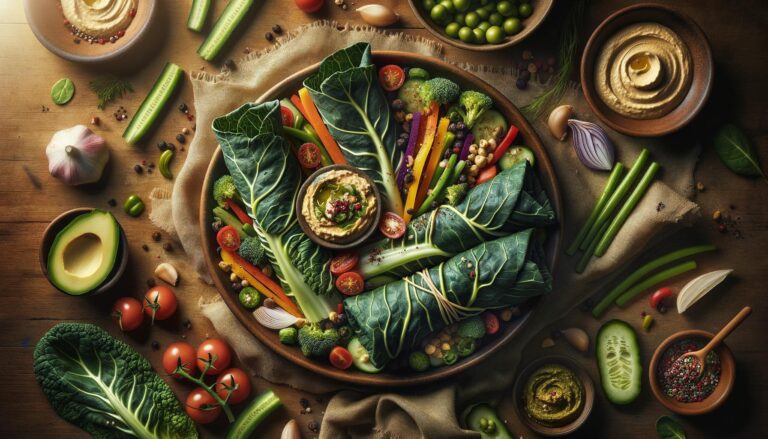
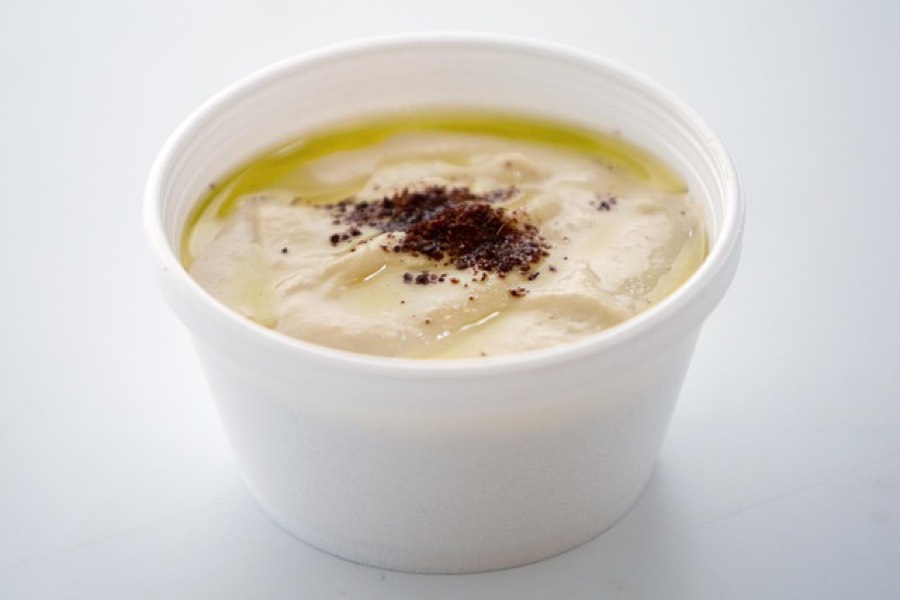
Bowl of hummus drizzled with olive oil and dusted with sumac

Hummus

Anti-InflammatoryLegumes
Low
Inflammation Score
3/10
Anti-inflammatoryInflammatory
Serving size
2 tbsp (30 g)
Key nutrients
Soluble fibreOleic acid (olive oil)FolateSesame lignans
How often
Most days, two or three spoonfuls with raw vegetables

Why hummus is anti-inflammatory

Hummus is anti-inflammatory, and it is one of the few foods sold in a tub that earns that. The reason is the recipe: chickpeas, sesame paste, olive oil, lemon and garlic. Each of those sits low on the inflammation scale by itself, and blended together nothing in the bowl pulls the other way.

Chickpeas carry the score. Their fibre is not fully broken down on the way through, so a good part of it reaches the gut still intact, where the bacteria living there feed on it. What they make in return helps keep the gut wall calm. The fat from the tahini and the olive oil slows the meal down, so blood sugar stays steadier for hours afterwards.

Hummus is also a dip, so it never arrives on its own, which means what you scoop it with counts more than usual. On white pita or crisps, most of what you eat is refined starch and the hummus is the small part. With carrot, cucumber or pepper sticks, there is nothing on the plate working against it.

Hummus scores 3 out of 10 rather than lower, and the tub is why. Cheaper brands build it on sunflower or rapeseed oil instead, because that costs less, and others are heavy on salt. A good one has a short list, with chickpeas, tahini and olive oil near the top. Two or three spoonfuls is a serving, because this is a rich food and not a salad.

Hummus on the AIP diet

Hummus is not allowed during the elimination phase of the Autoimmune Protocol. It is built on two things the protocol takes out on day one: chickpeas are a legume and tahini is a seed paste. No version of it gets through, because removing those leaves nothing behind. Seeds come back fairly early in the reintroduction, legumes much later. Mashed avocado or a beetroot dip is the usual stand-in.

Benefits

  • Made from five foods that each sit low on the inflammation scale on their own
  • Chickpea fibre feeds the bacteria in the gut, which helps keep the gut wall calm
  • Protein and fat in the same spoonful, so it holds off hunger better than most snacks
  • Makes raw vegetables into something people will actually finish

Watch out for

  • Many tubs use sunflower or rapeseed oil instead of the olive oil in the original
  • Salt runs high in some brands, and a dip is an easy thing to keep eating
  • Rich for its size, so a few spoonfuls add up faster than they look
  • Usually eaten with white pita or crisps, which undoes most of the point

Get the inflammation score of any meal

Just snap a photo or describe your food to get its inflammation score and uncover hidden patterns that may be affecting your well-being.

Download on the App StoreGet it on Google Play
InflammaScan app

Frequently asked

Is hummus anti-inflammatory?

Yes. It is made from chickpeas, sesame paste, olive oil, lemon and garlic, and each of those is an anti-inflammatory food on its own. There is nothing in the bowl working the other way, which is rare for something you buy ready made. What changes the answer is the brand you pick and what you eat it with.

Is shop-bought hummus as good as homemade?

It can be, and the ingredient list tells you. Homemade always uses olive oil, because that is the recipe. Plenty of tubs use sunflower or rapeseed oil instead, and carry more salt than you would add at home. Look for a short list with chickpeas, tahini and olive oil at the front.

Is hummus good for the gut?

Chickpeas bring fibre your body does not fully break down, so it reaches the gut and the bacteria there live off it. That is how a dip ends up doing something for digestion. If you rarely eat legumes, start with a couple of spoonfuls, because a big bowl can leave you bloated at first.

Is hummus allowed on the AIP diet?

No, not during the elimination phase. Chickpeas are a legume and tahini is sesame paste, and the Autoimmune Protocol takes out legumes and seeds from day one. Seeds usually come back early in the reintroduction and legumes much later. Until then a mashed avocado or a beetroot dip fills the same slot.

The easiest way to follow an anti-inflammatory diet.

Identify inflammatory foods in seconds, log your symptoms and discover what’s inflaming you. Includes hundreds of recipes.

Download on the App StoreGet it on Google Play
InflammaScan app