Lunch is the meal most likely to get outsourced to whatever is fastest. Breakfast is one bowl at home and dinner gets some planning, but lunch happens at a desk, in a car, or in whatever line moves quickest near the office.
The default there, a sandwich, a bag of chips, and something sweet to drink, stacks several foods nutrition research links to higher inflammation into one sitting: white bread, fried sides, deli meat, and a sugar-sweetened drink.
These are the 12 anti-inflammatory lunch ideas in this roundup:
- Quinoa and Edamame Salad with Ginger Dressing
- Lemon Dill Quinoa Salad
- Roasted Chickpea and Kale Caesar
- Shredded Chicken and Avocado Lettuce Wraps
- Avocado and Cucumber Detox Wraps
- Collard Wraps with Hummus and Veggies
- Spicy Golden Lentil Wraps
- Cilantro Lime Chickpea Lettuce Boats
- Hearty Chickpea and Kale Bowl
- Golden Coconut Rice and Black Bean Bowl
- Sesame Crusted Tuna with Ginger Slaw
- Rainbow Veggie Noodle Bowl with Ginger Sauce
What makes a lunch anti-inflammatory?
The formula is the same at lunch as at any other meal: vegetables as the base, a protein that isn’t deli meat (think legumes, fish, or poultry), olive oil instead of a heavier processed fat, and color from whatever produce is on hand.
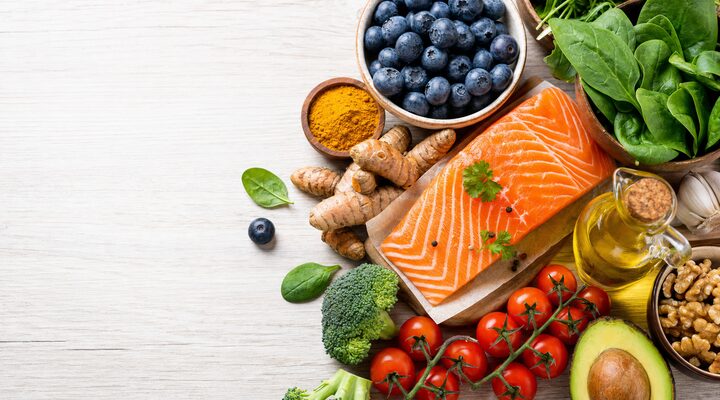
Harvard Health lists the anti-inflammatory staples worth building around: tomatoes, olive oil, green leafy vegetables, nuts, fatty fish like salmon and tuna, and berries. A lunch that leans on two or three of these instead of white bread and deli meat already fits the pattern.
If you want that formula carried across three full weeks instead of one meal at a time, our 21-day anti-inflammatory diet plan builds lunches like these into a full menu. The 12 recipes below are the lunch slice of that same pattern, built to work on their own.
Anti-inflammatory lunches you can pack for work
These four anti-inflammatory lunch recipes hold up for hours in a container or a jar, dressing packed on the side, which makes them some of the easier anti-inflammatory lunch ideas for work to keep on repeat.
Quinoa and Edamame Salad with Ginger Dressing
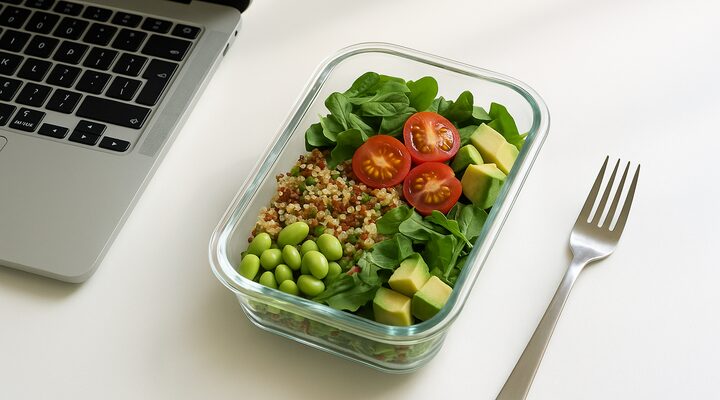
Quinoa and edamame make a filling base entirely on their own, tossed together with a bright ginger dressing that carries gingerol, one of the more studied anti-inflammatory compounds in food. Edamame adds plant protein and fiber a plain grain salad wouldn’t have, and the dressing tastes better after a few hours in the fridge, not worse. Pack it in a jar with the dressing on the side and it holds through a full workday. The quinoa and edamame salad with ginger dressing recipe has the exact ratios.
Lemon Dill Quinoa Salad
Lemon and fresh dill turn a bowl of quinoa into something closer to a bright herb salad than a side dish. Olive oil provides the monounsaturated fat Harvard Health lists among its anti-inflammatory staples, and the lemon keeps the whole grain from tasting flat by lunchtime. Because there’s no lettuce to wilt, this one keeps well for two or three days if you make a double batch on Sunday. Find the method in the lemon dill quinoa salad recipe.
Roasted Chickpea and Kale Caesar
Roasting chickpeas until crisp gives this Caesar its crunch instead of croutons made from refined bread. Kale holds up far better than romaine once it’s dressed, so this salad can sit in the fridge dressed and ready without turning soggy by noon. Chickpeas bring fiber and plant protein to the bowl, while kale adds another of the leafy greens Harvard Health names directly. The full method, dressing included, is in the roasted chickpea and kale caesar recipe.
Shredded Chicken and Avocado Lettuce Wraps
This one skips the mayonnaise in a standard chicken salad and tosses shredded chicken with avocado, lime, cilantro, and diced cucumber, which keeps a creamy texture while adding monounsaturated fat instead of a processed one. Spoon it into butter lettuce leaves at lunchtime, or over a bed of greens if you’d rather eat it with a fork. It packs well in a container and doesn’t need reheating, dressing or otherwise. The shredded chicken and avocado lettuce wraps recipe has the full method.
Wraps and handhelds instead of sandwiches
The sandwich format itself isn’t the problem: the daily white bread and deli meat filling is. These four keep the handheld shape without that same base.
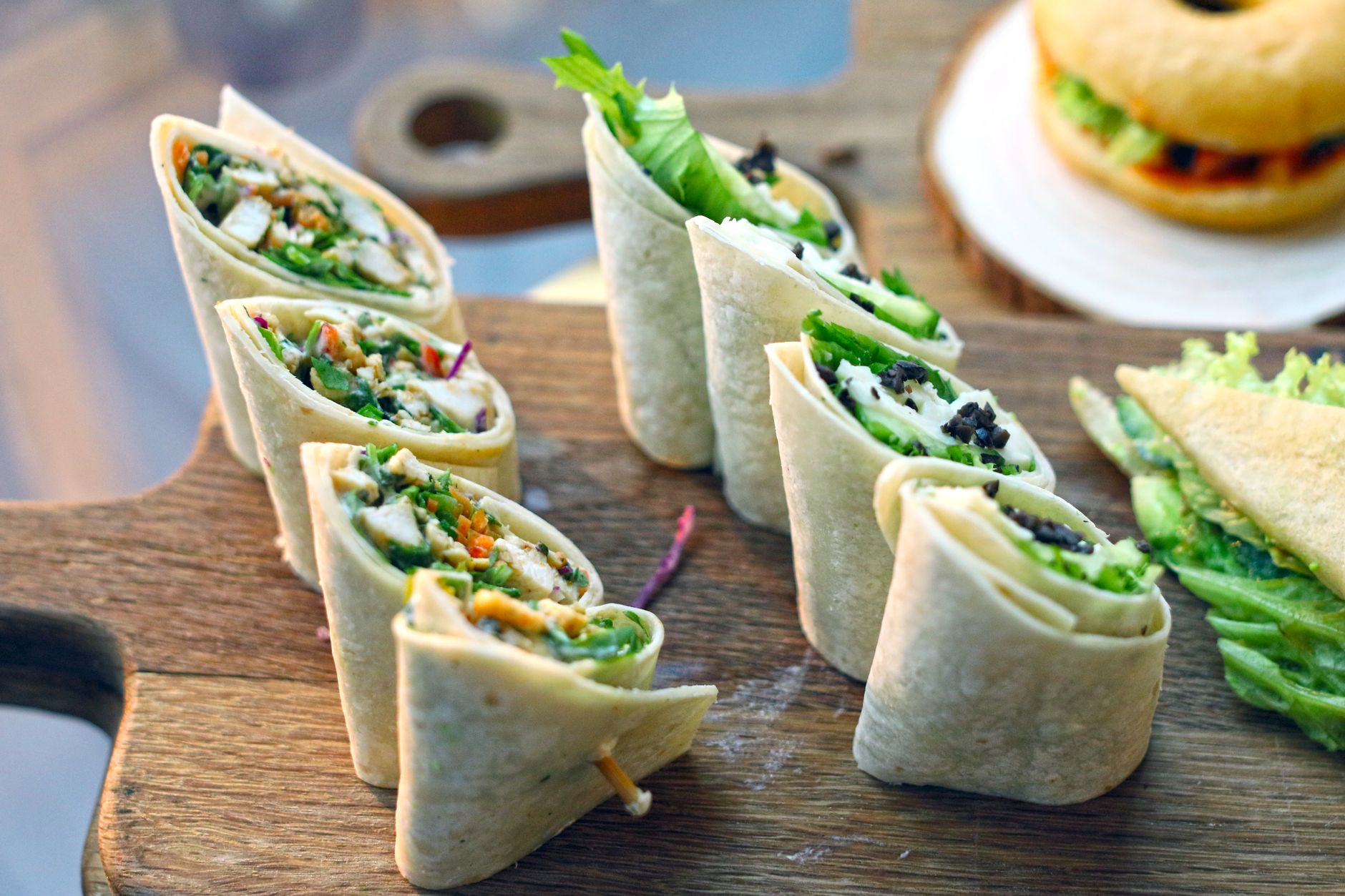
Avocado and Cucumber Detox Wraps
A whole-grain tortilla holds sliced avocado, cucumber, and spinach in this wrap, built to carry crunch rather than deli meat. Avocado brings the same monounsaturated fat as olive oil, and the vegetables do double duty for fiber and color. Wrapped tightly and kept whole until lunch, it travels better than a sliced sandwich would. The avocado and cucumber wraps recipe has the full filling.
Collard Wraps with Hummus and Veggies
Swapping a tortilla for a large collard green leaf turns this into a lower-carb handheld, with the leaf itself contributing fiber and its own leafy-green nutrients. A layer of hummus holds shredded carrots, bell pepper, and cucumber in place once the leaf is folded and secured. It’s naturally gluten-free, which makes it an easy option if that matters for your table. The collard wraps with hummus and veggies recipe has the full filling and folding steps.
Spicy Golden Lentil Wraps
Lentils simmered with turmeric and warming spices fill this wrap with curcumin, one of the most studied anti-inflammatory compounds in food, plus the fiber and plant protein lentils are known for. A little heat from chili keeps the filling from tasting flat once it’s wrapped and cooled for a few hours. Made ahead, the lentil filling reheats well if you’d rather serve it warm. Get the spice blend in the spicy golden lentil wraps recipe.
Cilantro Lime Chickpea Lettuce Boats
Butter lettuce leaves stand in for a tortilla entirely in this one, cutting the refined-carb base out of the equation without losing the handheld format. A cilantro-lime chickpea mash brings fiber and plant polyphenols to each boat, and the lettuce adds crunch instead of calories. These are best assembled just before eating, since the leaves don’t hold up packed for hours. The cilantro lime chickpea lettuce boats recipe has the mash ratios for meal prep.
Quick warm lunches ready in about 15 minutes
For the days lunch happens at home, these four also reheat well straight from the fridge.
Hearty Chickpea and Kale Bowl
Chickpeas and kale simmer together with garlic and olive oil in this bowl, ready in about the time it takes rice to cook on the side. Chickpeas supply fiber and plant protein, and kale folds in another of the leafy greens Harvard Health lists as an anti-inflammatory staple. It reheats from the fridge without losing texture, which makes it one of the better anti-inflammatory lunch meal prep options on this list. The hearty chickpea and kale bowl recipe has the full method.
Golden Coconut Rice and Black Bean Bowl
Turmeric turns the rice in this bowl a deep gold while adding curcumin, and black beans layer on fiber and plant polyphenols once they’re spooned over the top. Coconut milk keeps the rice from tasting plain without needing butter or a cream sauce. Made in a bigger batch, it holds for a few days in the fridge and reheats in a couple of minutes. The golden coconut rice and black bean bowl recipe covers the simmer times.
Sesame Crusted Tuna with Ginger Slaw
A sesame crust sears onto tuna in just a couple of minutes, and Harvard Health names tuna directly among the fatty fish worth building meals around for their omega-3s. A quick ginger slaw on the side adds gingerol and crunch without any cooking of its own. It’s fast enough for a weekday lunch cooked fresh, though the slaw alone packs well if you’d rather prep the tuna the night before. The sesame crusted tuna with ginger slaw recipe has the searing timing.
Rainbow Veggie Noodle Bowl with Ginger Sauce
Spiralized or julienned vegetables replace noodles in this bowl, tossed with a ginger sauce that brings gingerol along with whatever color vegetables you have on hand. Because there’s no pasta to overcook, the whole bowl comes together in the time it takes to make the sauce. It’s naturally lighter than a starch-based noodle bowl while still feeling like a full meal. The rainbow veggie noodle bowl with ginger sauce recipe has the full vegetable list.
Lunch habits that keep inflammation up
The formula above only works if it isn’t crowded out by a few habits that show up more at lunch than at any other meal.
- Deli and processed lunch meat as the daily filling: Harvard Health links processed meat, deli meat included, to excess inflammation, even when it’s the fastest sandwich filling around.
- White bread as the automatic base: refined carbohydrates sit on Harvard Health’s limit list, and bread is the easiest one to swap for a wrap, a bowl, or a salad.
- Soda or sweetened tea with the meal: a sugar-sweetened drink poured next to an otherwise solid lunch still counts toward the same limit list.
- Fried sides: chips and fried appetizers add up fast when they’re the default rather than the occasional extra.
None of this means banning any of it outright. The swap is what matters: a grain bowl instead of a sandwich a few days a week, water or unsweetened tea instead of soda, a handful of nuts instead of chips. A lunch built almost entirely on refined carbs also tends to digest fast, which is often what shows up later as the mid-afternoon energy dip.
How to prep a week of lunches in about an hour
Batch cooking makes these recipes realistic on a weekday, not just on a free Sunday afternoon.
Cook one big pot of quinoa or rice while you roast one tray of chickpeas or vegetables in the oven alongside it. Make one dressing (the ginger dressing above works across several of these salads) and wash a batch of greens so they’re ready to go. From there, assembling a bowl, wrap, or salad each morning takes a few minutes rather than a full cooking session.
Browse the full recipe library for more options to add to the rotation, or let the meal planner slot these lunches into a full week alongside breakfast and dinner.
Frequently asked questions
What is a good anti-inflammatory lunch for work?
A grain salad or a bowl that holds up in a container for a few hours, like a quinoa and edamame salad or a chickpea and kale bowl, makes a good anti-inflammatory lunch for work. Both travel well with any dressing packed on the side and don’t need reheating if a microwave isn’t available.
Is deli lunch meat inflammatory?
Deli lunch meat falls under processed meat, a category Harvard Health links to excess inflammation. An occasional deli sandwich isn’t the issue: the problem is when it becomes the default protein at lunch most days of the week, crowding out fish, legumes, or poultry.
What is the fastest anti-inflammatory lunch?
A wrap or a lettuce boat filled with a premade chickpea or lentil mash is typically the fastest anti-inflammatory lunch, since assembly takes only a few minutes once the filling is made. The cilantro lime chickpea lettuce boats and the spicy golden lentil wraps in this roundup both work that way.
Can I meal prep anti-inflammatory lunches for the whole week?
Yes, most of the salads, bowls, and lentil or chickpea fillings in this roundup hold for three to four days in the fridge, which covers most of a workweek. Wraps built on delicate leaves, like the collard green or lettuce boat versions, are the exception and are best assembled closer to when they’ll be eaten.