Chronic, low-grade inflammation rarely announces itself with a single symptom. It shows up as joint stiffness that never fully eases, energy that dips every afternoon, or skin that flares for no obvious reason.
The 21-day anti-inflammatory diet is a three-week eating pattern built around whole foods that research links to lower inflammation, not a single meal, pill, or ingredient. It draws on the Mediterranean-style pattern tested in nutrition research, structured into a plan you follow meal by meal for three weeks.
What is the 21-day anti-inflammatory diet?
It is an eating pattern, not a cleanse and not a cure. The idea is simple: for three weeks, you eat mostly the foods research associates with lower inflammation, and cut back on the ones associated with more of it.
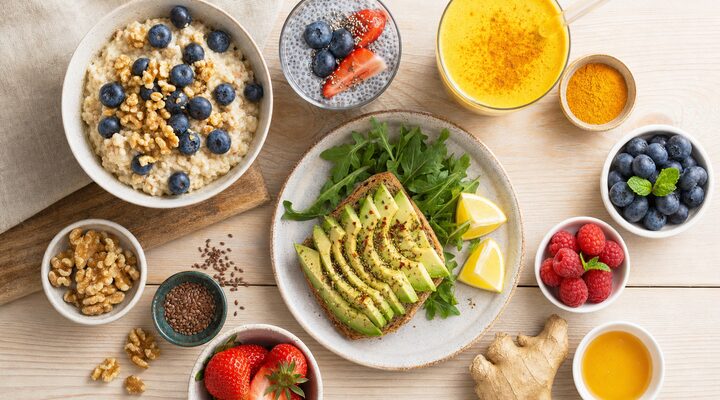
- It centers on whole foods: vegetables, fruit, fatty fish, nuts, whole grains, and herbs like turmeric and ginger, in place of ultra-processed staples.
- It runs for three weeks because that is long enough to build a habit and notice how different meals affect your digestion, energy, and joints.
- No single food or supplement resolves inflammation on its own. What matters is the pattern of what you eat, meal after meal, for three weeks straight.
- It is a repeatable eating pattern, not a one-time detox: you can extend it, repeat it, or fold it into how you eat afterward.
That last point matters more than it sounds. A detox implies your body needs help flushing something out, and it implies a finish line where you go back to eating the way you did before.
This diet works differently. It is closer to a trial run of a pattern you can keep using, three weeks at a time, for as long as it keeps helping.
None of it depends on eliminating entire food groups or hitting a strict calorie target. It depends on repetition: the same handful of anti-inflammatory ingredients showing up on your plate often enough that they become the default instead of the exception.
How an anti-inflammatory diet lowers inflammation
Acute inflammation is the body’s short-term repair response. A sprained ankle swells, a cut turns red and warm, and the reaction fades within days once healing is underway.
Chronic inflammation works differently. It is a low-grade immune response that persists for months or years, often without any single obvious symptom.
- Diet is one driver: foods high in refined carbohydrates and added sugar are linked to more inflammatory activity.
- Sleep, stress, and physical activity also shape how much low-grade inflammation the body carries at any given time.
Diet is the piece this plan targets directly. According to Harvard Health Publishing (reviewed February 2026), the foods linked to a higher risk of chronic diseases like type 2 diabetes and heart disease are also linked to excess inflammation.
The clearest evidence for the diet side of that comes from the PREDIMED trial, led by researcher Ramón Estruch and published in the New England Journal of Medicine in 2013. Researchers followed 7,447 adults in Spain at high cardiovascular risk and found that a Mediterranean-style diet supplemented with extra-virgin olive oil or nuts significantly reduced C-reactive protein compared with a low-fat diet.
- C-reactive protein (CRP) is a protein your liver produces in response to inflammation. Doctors measure it with a simple blood test to gauge how much inflammatory activity is happening in the body.
- Lower CRP after a dietary change does not mean a disease was cured. It means inflammatory activity, on average, went down across the group being studied.
Antioxidant-rich foods like berries and leafy greens are thought to help counter oxidative stress, a buildup of unstable molecules called free radicals that damage cells faster than the body can repair them. That is part of why they show up so often in this kind of eating pattern.
That trial is one of the most-cited pieces of nutrition research behind anti-inflammatory eating, largely because it measured a real blood marker in thousands of people rather than relying on how participants said they felt. None of this means a specific food or diet cures a disease or replaces medical care: it means the pattern is associated with measurably lower inflammation over time, in a large, controlled study.
Anti-inflammatory foods to eat
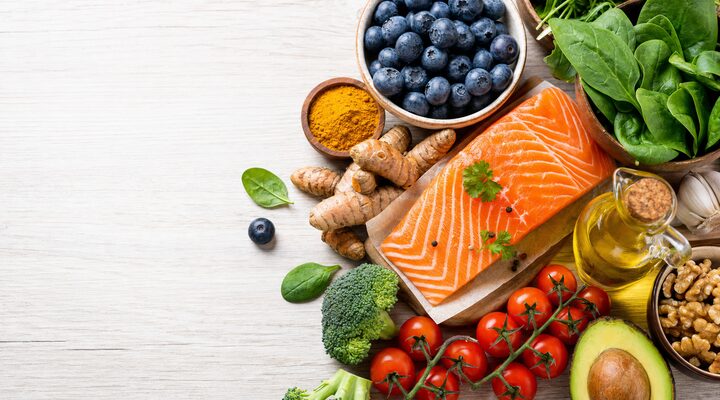
Harvard Health’s list of foods that fight inflammation reads more like a shopping list than a set of rules: tomatoes, olive oil, leafy greens, nuts, fatty fish, and berries all show up as staples. None of them works alone, but together they crowd out the processed foods that tend to dominate a typical week.
| Food group | Examples | Why it helps |
|---|---|---|
| Vegetables and leafy greens | Tomatoes, spinach, kale | Harvard Health lists tomatoes and leafy greens like spinach and kale among the foods most consistently tied to lower inflammation markers. |
| Fruit, especially berries | Blueberries, strawberries, cherries | Berries carry antioxidant plant compounds that help offset the oxidative stress behind inflammation. |
| Fatty fish and omega-3s | Salmon, sardines, mackerel | Harvard Health names salmon and sardines specifically for their omega-3 fatty acids, which the body uses to build anti-inflammatory compounds. |
| Nuts, seeds and healthy fats | Almonds, walnuts, olive oil | Nuts and extra-virgin olive oil anchor the Mediterranean-style pattern tested in the PREDIMED trial. |
| Whole grains and legumes | Oats, brown rice, lentils, chickpeas | These stand in for refined grains and add fiber that feeds the gut bacteria involved in regulating inflammation. |
| Herbs and spices | Turmeric, ginger | Turmeric and ginger contain bioactive compounds, curcumin and gingerol, studied for their role in calming oxidative stress. |
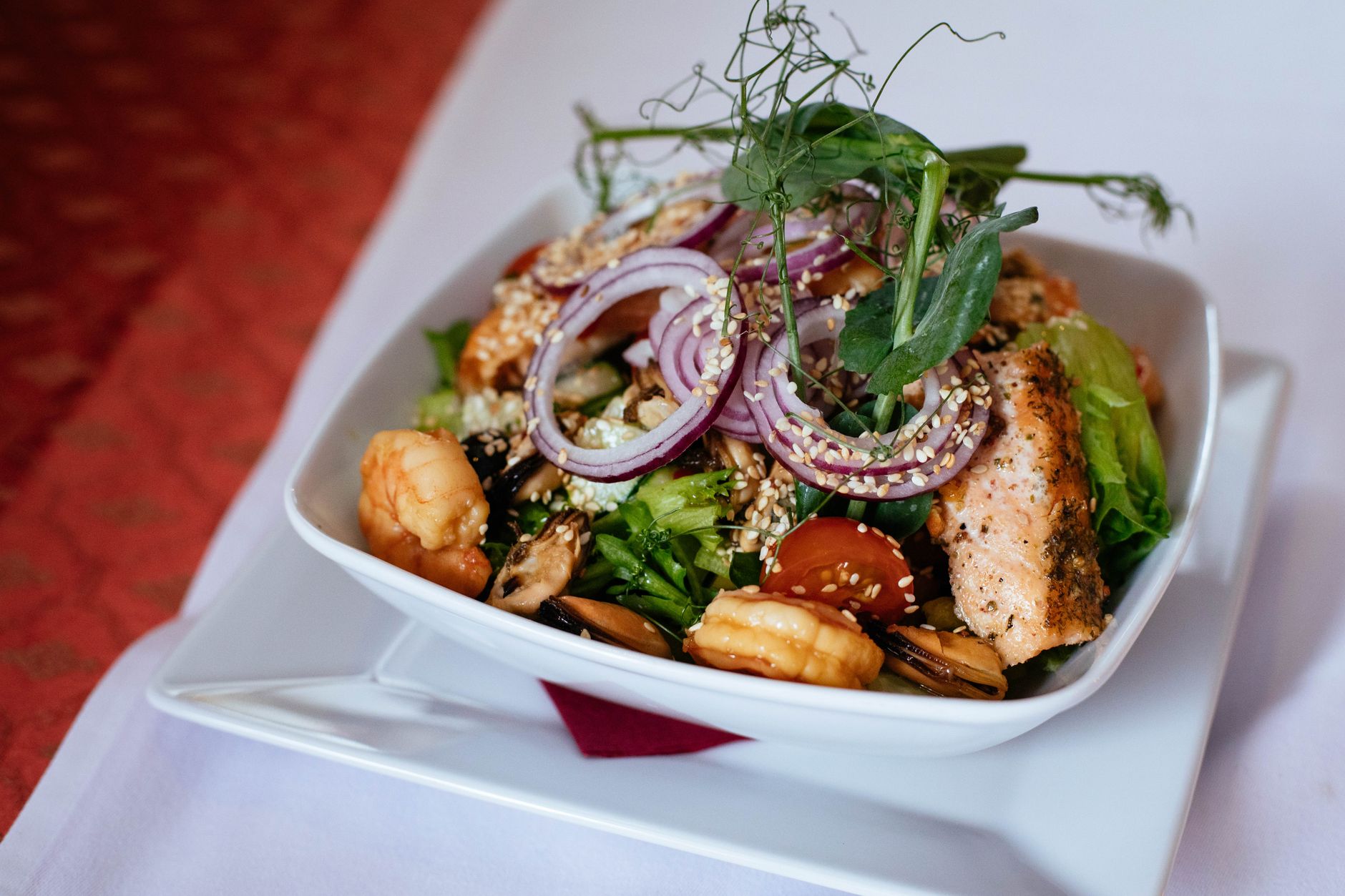
The pattern behind the table matters more than any single row in it. One bowl can carry several categories at once: quinoa and salmon over spinach with a drizzle of olive oil and grated ginger pulls from four rows in a single meal, and that kind of combination is the norm across this plan, not the exception.
Turmeric and ginger earn a specific mention because they appear in recipe after recipe here, not just as a garnish. Gingerol, the compound responsible for ginger’s bite, is one of the more studied plant compounds for its role in reducing oxidative stress.
Once you know which foods to prioritize, the harder part is turning them into meals you will actually cook on a weeknight. That is where a library of anti-inflammatory recipes earns its keep: it turns a list of ingredients into a plan you can shop for once and cook from all week.
Foods to limit on an anti-inflammatory diet
Harvard Health ties several everyday staples to excess inflammation and higher chronic disease risk. None of them need to disappear completely: the goal is to make them the exception instead of the default.
- Refined carbohydrates: white bread, pastries, and other foods made with refined flour and added sugar.
- Fried foods: anything cooked in repeatedly reheated oil, common in fast food and packaged snacks.
- Sugar-sweetened drinks: soda and other beverages with added sugar.
- Red and processed meat: bacon, sausage, deli meat, and frequent servings of red meat.
- Margarine, shortening, and lard: solid fats commonly used in baking and frying.
These are not foods to fear at every meal. They are simply the categories Harvard Health links most consistently to excess inflammation and chronic disease risk, which is why the 21-day structure asks you to cut back rather than cut them out for good.
In practice, that means fewer of these foods by default, not a hard ban. A slice of birthday cake or a burger at a cookout will not undo three weeks of otherwise consistent eating.
Your 21-day anti-inflammatory meal plan
The plan below runs three weeks, with breakfast, lunch, and dinner built from real anti-inflammatory recipes instead of a vague list of ingredients. Each week leans on batch-cooking and planned leftovers, so you are not starting three meals from scratch every single day.
Portion sizes are meant to be adjusted to your own needs and activity level, and if you have a medical condition, talk to a doctor or registered dietitian before making major changes. If building or adjusting a plan like this on your own feels like too much to track, the InflammaScan meal planner can generate a personalized version based on your own preferences.
Week 1
| Day | Breakfast | Lunch | Dinner |
|---|---|---|---|
| Monday | Golden Turmeric Oatmeal with Berries | Cilantro Lime Quinoa Bowl | Almond-Crusted Baked Cod |
| Tuesday | Coconut Blueberry Smoothie Bowl | Leftover baked cod over greens | Chickpea and Spinach Stew with Cumin |
| Wednesday | Turmeric-Spiced Quinoa Breakfast Bowl | Roasted Chickpea and Kale Caesar | Sesame Crusted Tuna with Ginger Slaw |
| Thursday | Delicious Pumpkin Spice Overnight Oats | Leftover chickpea stew with rice | Ginger Sesame Tofu with Bok Choy |
| Friday | Blueberry Spinach Protein Smoothie | Quinoa and Edamame Salad with Ginger Dressing | Turmeric Ginger Chicken Soup |
| Saturday | Sweet Potato and Avocado Hash | Beetroot, Walnut & Orange Salad | Spaghetti Squash with Avocado Pesto |
| Sunday | Blueberry Walnut Overnight Oats | Wild Salmon Poke Bowl | Coconut Curry Veggie Medley |
Week 2
| Day | Breakfast | Lunch | Dinner |
|---|---|---|---|
| Monday | Mango Turmeric Overnight Oats | Hearty Chickpea and Kale Bowl | Ginger-Lime Grilled Shrimp |
| Tuesday | Carrot Coconut Turmeric Smoothie | Leftover grilled shrimp over greens | Spiced Cauliflower and Lentil Tacos |
| Wednesday | Chia Flax Breakfast Porridge | Lemon Dill Quinoa Salad | Simple Lemon Herb Roasted Chicken |
| Thursday | Sweet Potato, Turkey and Sage Breakfast Hash | Leftover roasted chicken with salad | Basil Hemp Pesto Pasta |
| Friday | Spinach and Mango Smoothie Bowl | Black Bean and Sweet Potato Tacos | Broccoli Cashew Stir Fry with Ginger Sauce |
| Saturday | Avocado Toast with White Beans and Lemon | Pear and Walnut Arugula Salad | Ginger Chili Tempeh Stir Fry |
| Sunday | Spiced Fig and Chia Oatmeal | Mediterranean Chickpea and Quinoa Salad | Curried Lentil and Pumpkin Soup |
Week 3
| Day | Breakfast | Lunch | Dinner |
|---|---|---|---|
| Monday | Golden Milk Chia Pudding | Black Rice and Mango Salad | Turmeric Roasted Cauliflower Steaks |
| Tuesday | Berry Beet Anti-Inflammatory Smoothie | Leftover cauliflower steaks with greens | Hearty Lentil and Mushroom Tacos |
| Wednesday | Turmeric-Spiced Quinoa Breakfast Bowl | Fresh and Healthy Asparagus and Quinoa Salad | Coconut Curry Zoodle Bowl |
| Thursday | Delicious Coconut Mango Oatmeal Bake | Leftover lentil taco bowl | Lentil Bolognese with Whole-Wheat Spaghetti |
| Friday | Berry Beet Anti-Inflammatory Smoothie | Roasted Chickpea and Kale Caesar | Sweet Potato Lentil Tacos with Slaw |
| Saturday | Golden Almond Turmeric Smoothie | Golden Coconut Rice and Black Bean Bowl | Rainbow Veggie Noodle Bowl with Ginger Sauce |
| Sunday | Golden Turmeric Oatmeal with Berries | Avocado and Cucumber Detox Wraps | Simple Lemon Herb Roasted Chicken |
Snacks are flexible: a handful of walnuts or almonds, fresh fruit, plain yogurt with berries, hummus with vegetables, or a turmeric-spiced smoothie all fit the pattern. Repeat the breakfasts you like across the week to keep your grocery list short.
What results to expect in 21 days
Three weeks is enough time to notice how you feel, but it is not enough time to fully confirm what is happening inside your bloodstream. Being upfront about that difference is part of setting expectations correctly.
- What you may notice in 3 weeks: steadier energy through the afternoon, smoother digestion, and less morning joint stiffness, especially once meals become consistent.
- What takes longer: measurable changes in blood markers like CRP. Reliable shifts of that kind typically take 8 to 12 weeks of sustained eating, not three.
The PREDIMED trial is the reason for that longer timeline. Its participants followed a Mediterranean-style diet consistently, not for three weeks but over years, and that sustained pattern is what produced a significant, measurable drop in CRP.
Everyone’s timeline looks a little different, since inflammation responds to sleep, stress, and activity as well as food. Someone who is also sleeping better and moving more during those three weeks may notice changes faster than someone who changes only their plate.
None of this is a guarantee of weight loss or a cure for any condition. It is a realistic timeline: the subjective changes tend to show up first, and the blood markers that confirm them catch up later, if the pattern continues past day 21.
14-day, 28-day, and 30-day anti-inflammatory diet variations
The 14-day, 21-day, 28-day, and 30-day versions of this diet are the same eating pattern, just stretched or compressed to fit a different window. None of them is more correct than the others: the number of days is a scaffold, not a rule.
- 14-day plan: a shorter reset, useful if you want to try the pattern before committing to something longer.
- 21-day plan: long enough to build the habit and notice early changes in energy and digestion, which is why it is the most common starting point.
- 28-day and 30-day plans: the extra week or two gives blood markers like CRP more time to shift, since that kind of change tends to take 8 to 12 weeks of consistent eating.
You do not need a separate plan for each length. Repeat the same three weeks of meals, extend into a fourth week using the same recipes and grocery list, or restart at week one once you finish.
The pattern works the same way regardless of the calendar. What changes is how much time you give your body to show the kind of measurable change the PREDIMED researchers found, which favors the longer end of that range if a blood test is your goal.
Tips to stick with the anti-inflammatory diet
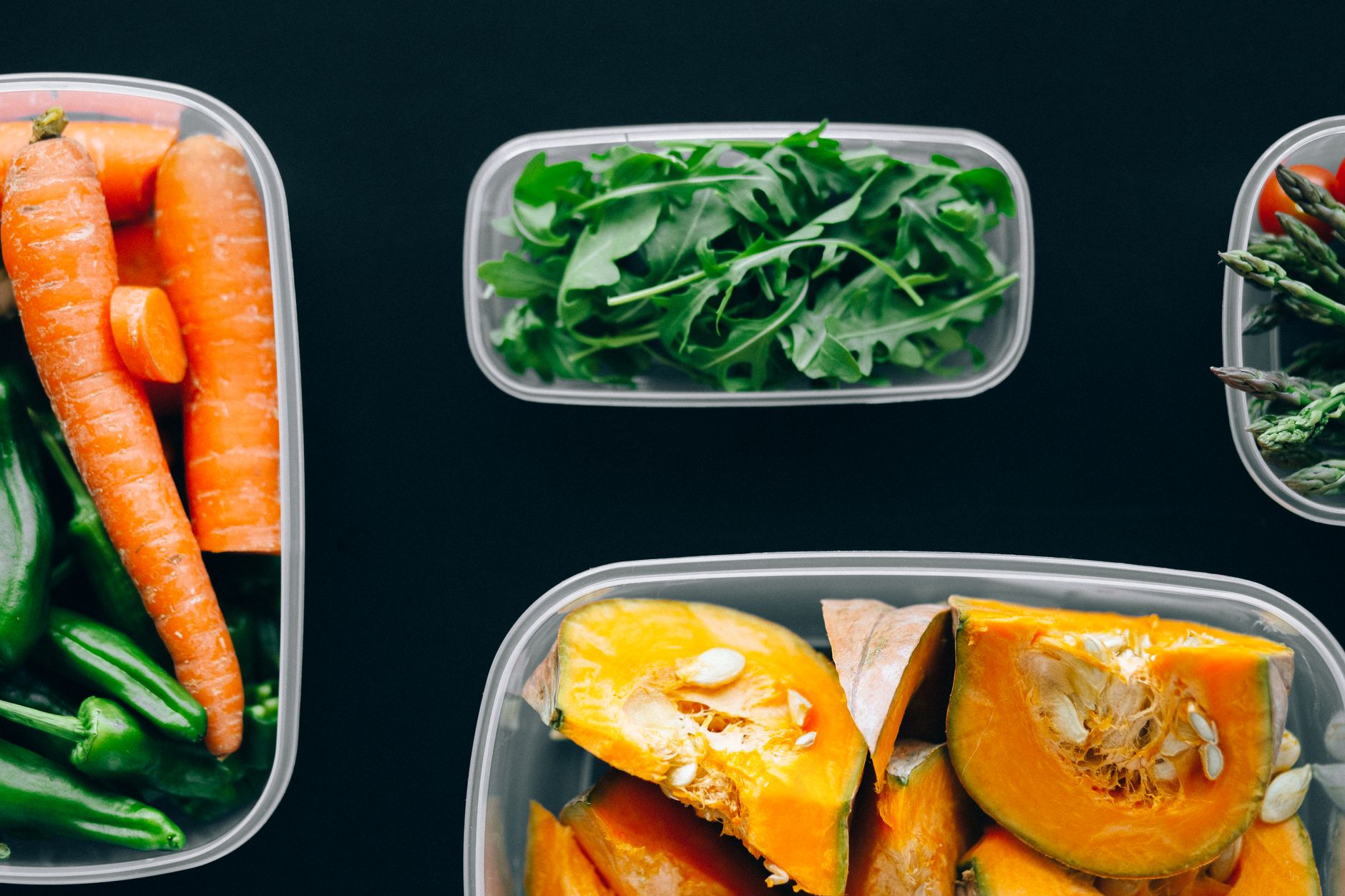
The plan works best when it fits into a normal week instead of requiring one. A handful of habits make it easier to sustain past day 21.
- Batch-cook on one day: grains, roasted vegetables, and a protein like salmon or lentils keep for several days and anchor multiple meals.
- Keep staples stocked: olive oil, canned beans, frozen berries, and fresh ginger mean you can always put together something that fits the pattern.
- Aim for 80/20, not perfect: one meal that does not fit the plan will not undo three weeks of otherwise consistent eating.
- Hydrate through the day: water and unsweetened tea in place of sugar-sweetened drinks removes one of the biggest everyday sources of excess inflammation.
Food is only part of the picture. Sleep and regular movement affect inflammation too, so pairing this plan with a consistent bedtime and daily walks tends to compound the results rather than eating alone.
None of these habits require perfection, and none of them replace medical care if you have a diagnosed condition. They are the small, repeatable choices that make a three-week plan realistic to actually finish.
Frequently asked questions
Can you reduce inflammation in 21 days?
You can start reducing diet-related inflammation in 21 days, but full confirmation in blood markers usually takes longer. Many people notice changes in energy, digestion, and joint comfort within three weeks, while measurable shifts in markers like CRP tend to take 8 to 12 weeks of consistent eating, based on findings from the PREDIMED trial.
What are the best anti-inflammatory foods?
Fatty fish, leafy greens, berries, olive oil, nuts, and spices like turmeric and ginger are among the foods most consistently linked to lower inflammation. Harvard Health specifically names salmon, sardines, spinach, kale, tomatoes, walnuts, and almonds as staples of an anti-inflammatory pattern.
What foods should you avoid to fight inflammation?
Refined carbohydrates, fried foods, sugar-sweetened drinks, and red or processed meat are the categories Harvard Health links most closely to excess inflammation. None of them need to disappear entirely: cutting back on how often you eat them matters more than eliminating them outright.
Is the anti-inflammatory diet the same as the Mediterranean diet?
The anti-inflammatory diet and the Mediterranean diet overlap heavily, since both emphasize vegetables, fruit, fatty fish, olive oil, nuts, and whole grains over processed foods. The Mediterranean pattern is the most-studied version of anti-inflammatory eating, including in the PREDIMED trial that measured its effect on CRP.