Hummus vs Tahini: Which Is Less Inflammatory?
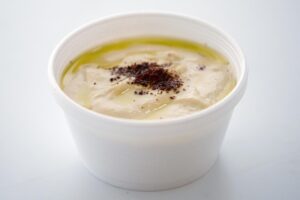
Hummus
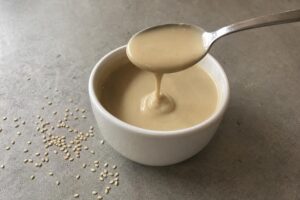
Tahini
Tahini is less inflammatory than hummus, but only just: both are anti-inflammatory, one point apart on the inflammation scale. Tahini is one of the five foods hummus is made from, so the gap between them comes from what the rest of the recipe, and the tub, bring along.
Hummus starts well. Chickpeas, olive oil, lemon, garlic and tahini each sit low on this scale on their own, and chickpea fibre feeds the bacteria in your gut, which helps keep the gut wall calm. Hummus loses ground in the tub. Many brands use sunflower or rapeseed oil in place of the olive oil the original recipe calls for, and those refined oils sit near the top of this same scale. Salt runs high in some of them. Most hummus is also eaten with white pita or crisps, refined starch that pushes blood sugar up fast, and a plate that spikes blood sugar undoes what the chickpeas were doing.
Tahini is ground whole sesame seeds and nothing else, so everything in the seed stays in the jar, including sesamin, the plant compound sesame is studied for. When researchers pooled the trials on eating sesame, one inflammation marker in the blood came out lower, and that is evidence from people eating the food rather than from capsules. Read the label on your next tub of hummus and put it back if the oil is not olive, or make your own with tahini, lemon and a tin of chickpeas.
Side by side
| Hummus | Tahini | |
|---|---|---|
| Inflammation Score | Low · 3/10 | Low · 2/10 |
| Category | Legumes | Nuts & Seeds |
| Serving size | 2 tbsp (30 g) | 2 tablespoons (30 g) |
| Key nutrients | Soluble fibre, Oleic acid (olive oil), Folate, Sesame lignans | Sesamin (lignan), Unsaturated fat, Magnesium, Copper |
| How often | Most days, two or three spoonfuls with raw vegetables | A tablespoon or two most days, thinned into a dressing or a dip |
On the AIP diet
Hummus
Hummus is not allowed during the elimination phase of the Autoimmune Protocol. It is built on two things the protocol takes out on day one: chickpeas are a legume and tahini is a seed paste. No version of it gets through, because removing those leaves nothing behind. Seeds come back fairly early in the reintroduction, legumes much later. Mashed avocado or a beetroot dip is the usual stand-in.
Tahini
Tahini is out during the elimination phase of the Autoimmune Protocol, which removes every nut and seed, sesame included. Blended avocado, or coconut cream loosened with lemon, does the same job in a dressing. Seeds come back fairly early in the reintroduction, and a plain jar with one ingredient makes a cleaner test than a dip that mixes tahini with several other foods.
What each one brings
Hummus
- Made from five foods that each sit low on the inflammation scale on their own
- Chickpea fibre feeds the bacteria in the gut, which helps keep the gut wall calm
- Protein and fat in the same spoonful, so it holds off hunger better than most snacks
- Makes raw vegetables into something people will actually finish
Tahini
- Ground whole sesame seeds, so the lignans, fibre and minerals stay in the jar
- Pooled trials found one blood marker of inflammation lower after eating sesame
- Mostly unsaturated fat, and a plain jar has no added sugar or oil
- Brings magnesium and copper, which the oil pressed from the seed leaves behind
Watch out for
Hummus
- Many tubs use sunflower or rapeseed oil instead of the olive oil in the original
- Salt runs high in some brands, and a dip is an easy thing to keep eating
- Rich for its size, so a few spoonfuls add up faster than they look
- Usually eaten with white pita or crisps, which undoes most of the point
Tahini
- Sesame is a major food allergen and reactions to it can be severe
- Sweetened sesame spreads sit on the same shelf and are mostly sugar
- Two tablespoons carry around 180 calories and go down quickly
- The fat goes rancid in a warm cupboard, which turns the taste sharp
Get the inflammation score of any meal
Just snap a photo or describe your food to get its inflammation score and uncover hidden patterns that may be affecting your well-being.