
You’ve probably heard that managing type two diabetes means focusing only on medication and cutting carbs, but recent research shows something sweeter might help too.
Berries have always had a reputation as a tasty treat, maybe something you add to yogurt or oatmeal. But what if they could actually support your blood sugar goals?
A recent analysis looked closely at a specific plant compound found in colorful berries, and the findings are worth paying attention to if you or someone you love lives with type two diabetes.
What the Research Shows
In a recent study, researchers wanted to know if anthocyanins, the natural pigments that give berries their deep red, blue, and purple colors, could improve blood sugar and heart health markers in people with type two diabetes.
To find out, they combined results from thirteen separate clinical trials. Altogether, these studies included seven hundred and three adults with type two diabetes. People took either purified anthocyanins or berry extracts rich in these compounds, compared to a placebo, for at least four weeks. The typical dose was around three hundred twenty milligrams a day, and the typical study lasted about eight weeks.
The results showed several encouraging changes:
- Long-term blood sugar levels (measured through a marker called HbA1c) dropped by about a third of a percentage point
- Fasting blood sugar decreased by a noticeable amount
- Blood sugar after meals dropped even more, suggesting better handling of food spikes
- Triglycerides and LDL cholesterol, both linked to heart disease, also went down
And here’s the fascinating part: these improvements touched both blood sugar and heart health markers at the same time. Think of anthocyanins like a gentle helper working quietly in the background, nudging your numbers in the right direction without replacing your main treatment plan. It’s worth noting that most of these trials lasted less than three months, so we do not yet know what happens over years of use, and the berry types and doses varied quite a bit between studies.
What This Means for You
If you are living with type two diabetes, this research suggests berries could be a simple, tasty addition to your routine.
Add Berries to Your Daily Plate
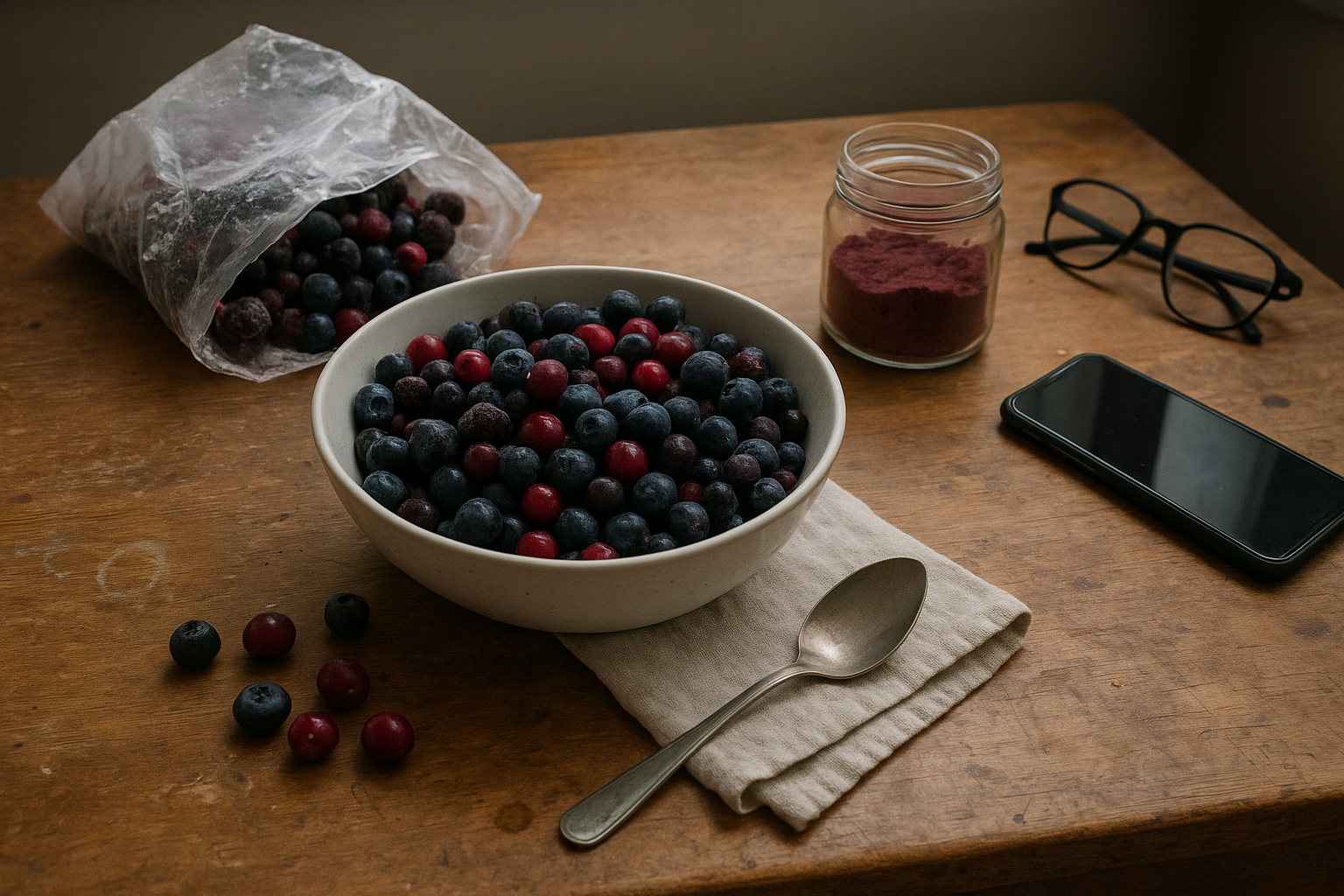
Try eating about one and a half cups of anthocyanin-rich berries daily, such as blueberries, bilberries, or cranberries. If fresh or frozen berries aren’t convenient, a berry powder equivalent of around thirty to forty grams may offer similar benefits.
Keep the Basics in Place
Berries work best alongside, not instead of, your current care plan. Keep tracking your carbohydrate intake and staying active, since the study participants combined berries with their usual treatment.
Because everyone’s situation with diabetes is different, check with your doctor before making significant diet changes, especially if you take blood sugar or cholesterol medications.
The Bottom Line
Adding a daily serving of colorful berries may offer a modest but real boost to blood sugar and cholesterol control in type two diabetes. It’s a small, enjoyable step that could complement the care you’re already receiving.
Reference: https://www.frontiersin.org/articles/10.3389/fnut.2023.1199815/full