
You’ve probably been told to eat more fiber for years. Your doctor mentions it. Health articles remind you. But here’s what they don’t always explain: fiber doesn’t just help you feel full or keep you regular.
It actually changes the population of bacteria living in your gut. And those changes start happening faster than you might think.
What the Research Shows
Scientists recently took a fresh look at twelve different studies that tracked over five hundred people. They wanted to see what really happens inside your gut when you eat more fiber. The people in these studies had different starting points. Some were healthy. Others had concerns about their heart health or blood sugar.
The researchers analyzed more than two thousand five hundred gut samples. They looked at what happened when people ate different types of fiber compared to those who didn’t change their diet.
Here’s what they found:
- Gut bacteria shifted consistently toward types that break down fiber across all the studies
- This happened regardless of which type of fiber people ate
- The changes were measurable within just a few weeks
- These fiber-loving bacteria produce compounds called short-chain fatty acids that may help reduce inflammation throughout your body
Think of your gut like a garden. When you add fiber, you’re essentially feeding specific plants that you want to grow. Those plants quickly take root and start producing helpful compounds that benefit your entire body.
The really exciting part is how predictable this is. Despite everyone having different starting gut bacteria, adding fiber consistently encouraged the same types of beneficial bacteria to flourish.
What This Means for You
You don’t need to wait months to start changing your gut health. The research shows your gut microbiome responds within weeks when you increase your fiber intake.
Start Simple and Build
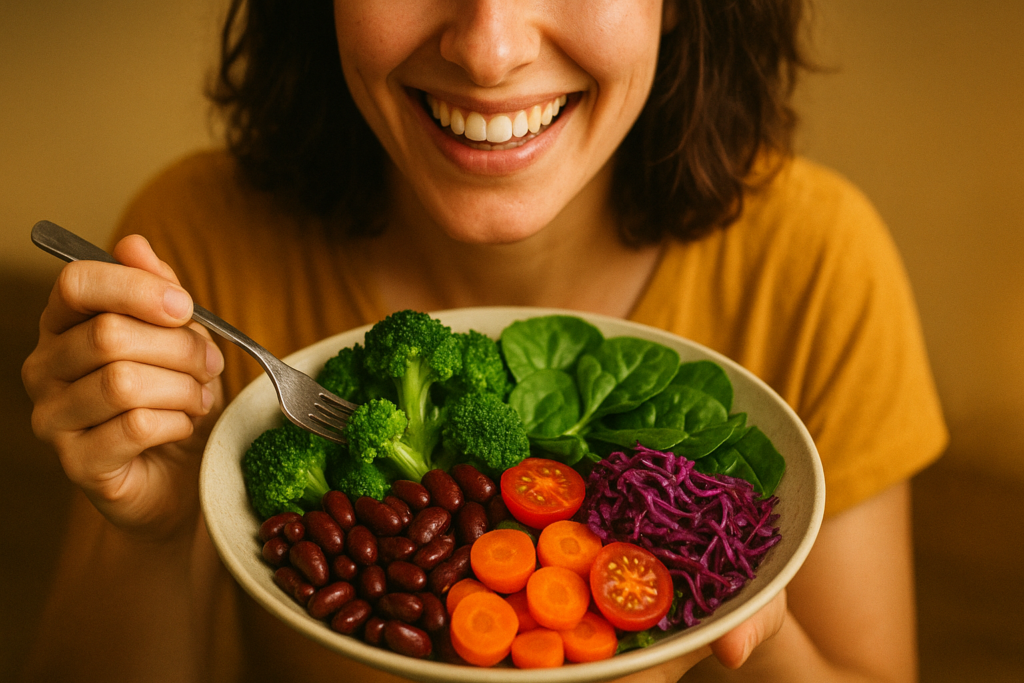
Double your vegetable portions at lunch and dinner. If you normally have a small side of vegetables, make it a full cup. This simple change dramatically increases your fiber without requiring major meal overhauls.
Add a small handful of beans to your daily routine. Toss chickpeas into your salad, add black beans to your lunch bowl, or stir lentils into your soup. Beans pack both fiber and protein, and your gut bacteria love them.
Any Fiber Helps
Don’t stress about finding the “perfect” type of fiber. The studies used different sources, from whole grains to vegetables to legumes. They all worked. Choose foods you actually enjoy eating, because consistency matters more than perfection.
If you currently eat very little fiber, increase it gradually. Your gut needs time to adjust. Add one new fiber source this week, another next week. This prevents the bloating and discomfort that can happen when you change your diet too quickly.
Keep in Mind
These studies tracked people for weeks to months, not years. We know the changes happen quickly, but we need more research to understand how long you need to maintain higher fiber intake to see lasting health benefits.
If you have digestive issues or medical conditions, talk with your healthcare provider before making big dietary changes. Some people need specific guidance on fiber types and amounts.
The bottom line: your gut bacteria respond remarkably fast when you feed them more fiber. Within weeks, you’re cultivating a community of microbes that may help reduce inflammation and support your overall health. Start with vegetables and beans, and let your gut garden grow.
Reference: https://pmc.ncbi.nlm.nih.gov/articles/PMC11237734/